
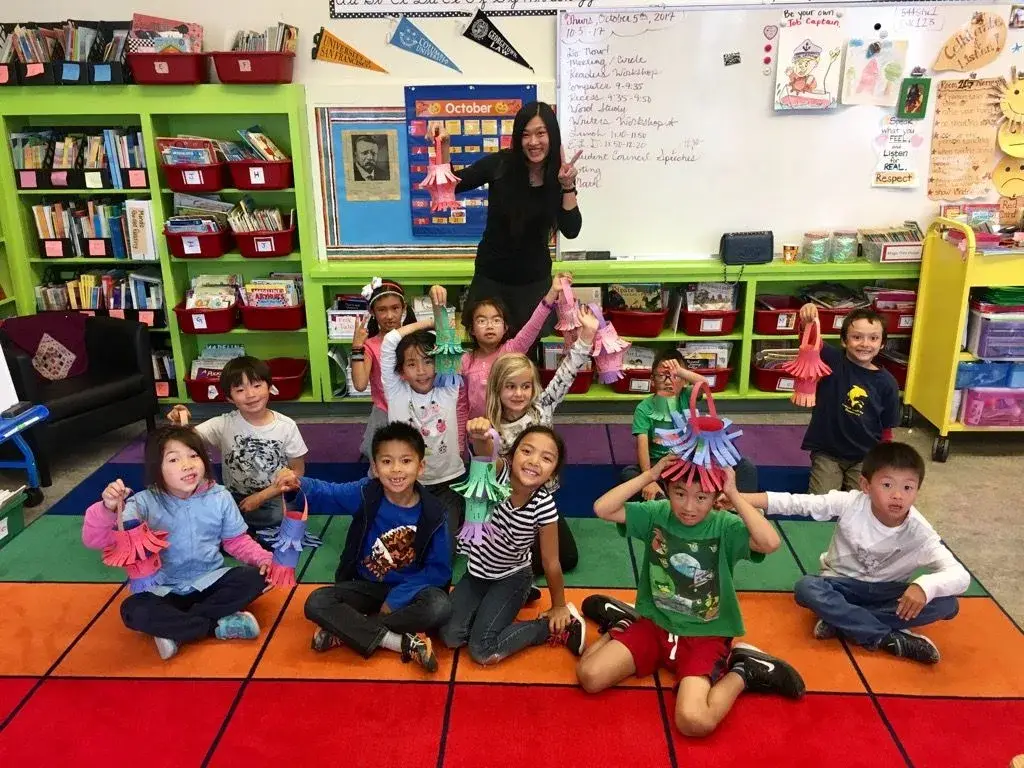
The short answer: the best age to start learning Mandarin is the earliest age at which your child can learn it regularly, with real people. Starting young helps with tones and pronunciation, but research shows that a young start pays off only with frequent, live practice. Older starters actually learn faster at first. A steady routine with a live teacher matters more than your child’s birthday.
This guide covers what the research says, realistic goals for each age, and a simple plan for starting this winter or spring.
Key takeaways
- Earlier is easier for sounds. Young children pick up Mandarin tones and pronunciation more naturally.
- Live practice beats screens. In a University of Washington study, babies learned Mandarin sounds from a live speaker but not from the same lessons on video.
- Frequency beats a head start. In school settings, an early start helps only when children get Mandarin often. A few short lessons a week isn’t enough on its own.
- It’s never too late. Grammar-learning ability stays strong into the late teens, so older children can still become very capable speakers.
- Winter and spring are a good time to begin. Routines are settled, and Lunar New Year (late January or February) gives kids a real reason to use Mandarin.
What research says about the best age to learn Mandarin
Parents often hear that children must start before a certain age or miss their chance. The research is more encouraging than that, and more useful.
Young children hear tones best, if a real person is talking
In a well-known 2003 study, 9-month-old American babies had twelve 25-minute play sessions with native Mandarin speakers, less than five hours in total. Afterward, they could tell apart Mandarin sounds as well as babies in Taiwan who had heard Mandarin from birth. Babies who watched the same sessions on video, or heard only the audio, learned nothing (Kuhl, Tsao & Liu, PNAS, 2003). Early exposure helps most when it comes from people your child interacts with.

Older children learn faster at first
The Barcelona Age Factor project followed school students who began a foreign language at different ages. With the same classroom hours, older starters learned faster, and the younger starters’ advantage did not appear in typical low-exposure classes. The researchers concluded that an early start pays off when it comes with substantial, frequent exposure and real social use of the language (Muñoz, Barcelona Age Factor project).
The window stays open longer than most people think
A study of about 670,000 English learners found that grammar-learning ability stays strong until about age 17 or 18. Learners who start by about age 10 have the best chance of reaching native-like grammar (Hartshorne, Tenenbaum & Pinker, Cognition, 2018). A child who starts at 8, 11 or 14 can still go a long way.
What this means for your family: start as early as you can keep it up, choose live teachers over apps or videos, and aim for several sessions a week rather than one long class.
Goals by age: what to expect at each stage
| Age / grade | Focus | What progress looks like |
|---|---|---|
| Preschool (3–5) | Sounds, rhythm, joy | Sings songs, responds to simple instructions, uses greetings and “thank you” |
| TK–2nd grade (5–8) | Routines and role-play | Asks for help, names everyday objects, recognizes common characters |
| 3rd–5th grade (8–11) | Conversation and reading | Holds short conversations, reads short stories, writes simple sentences |
| Middle and high school (11–18) | Real communication and school goals | Gives opinions, reads short articles, prepares for exams such as the HSK or AP Chinese |
Preschool (ages 3 to 5): sound, rhythm and joy
Focus on listening and fun. Songs with gestures, picture talk, colors and animals, and simple call-and-response games. One or two phrases, like greetings and “thank you,” can become daily habits. Keep listening short and movement frequent.
TK to 2nd grade (ages 5 to 8): routines and role-play
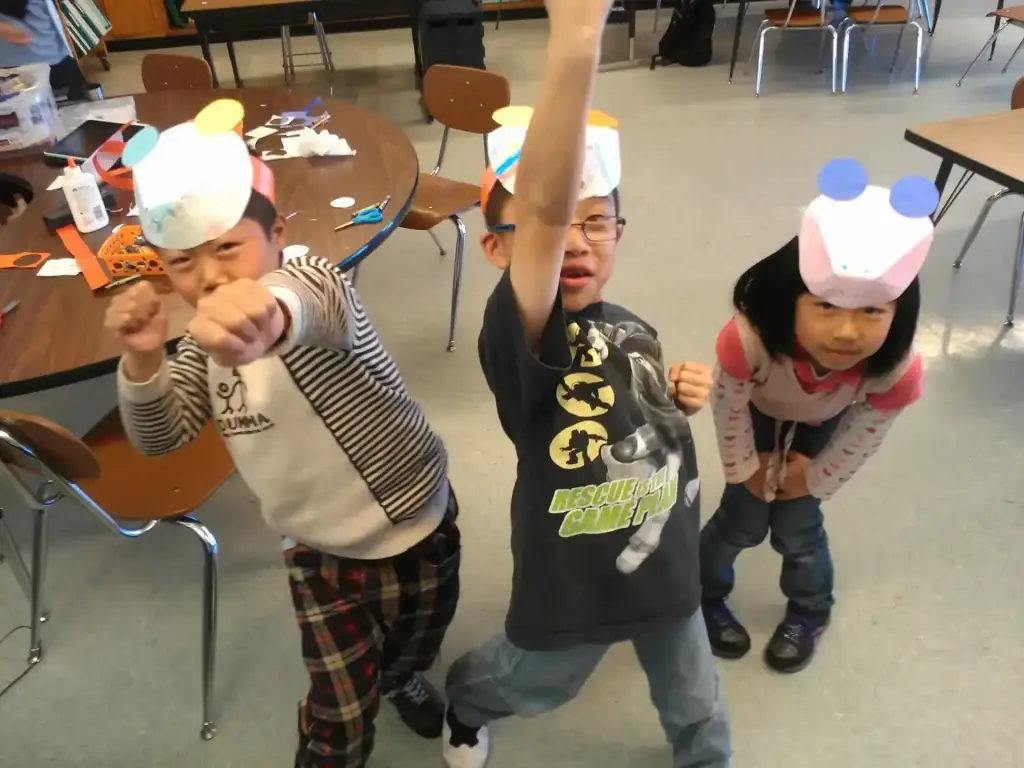
Children this age learn through routines and turn-taking. Role-play snack time, sharing, asking for help, and describing weather and clothes. Label things at home and in the classroom. Begin recognizing characters through pictures and radicals (the building blocks of characters), and keep writing short and hands-on. Repeat phrases across games and stories until they feel automatic.
3rd to 5th grade (ages 8 to 11): conversation and reading
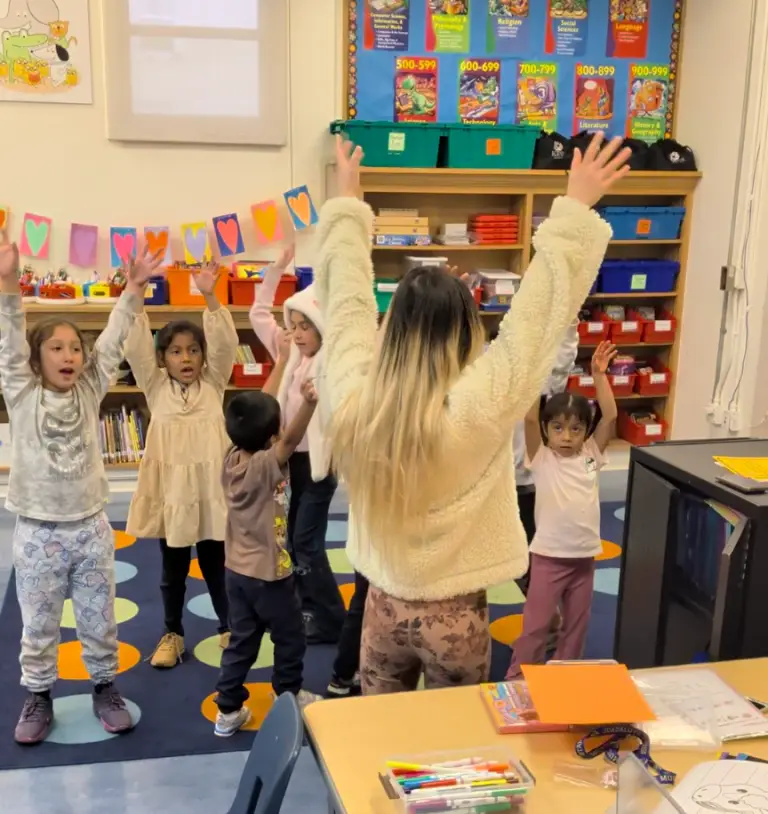
Children can now handle longer conversations and real reading. Practice short dialogues for directions, prices and polite requests. Read short stories, write simple paragraphs, and learn character families to decode new words. Short presentations with visuals build confidence. This is also a strong age to start for the first time, since children learn quickly and are still well inside the window for natural-sounding grammar.
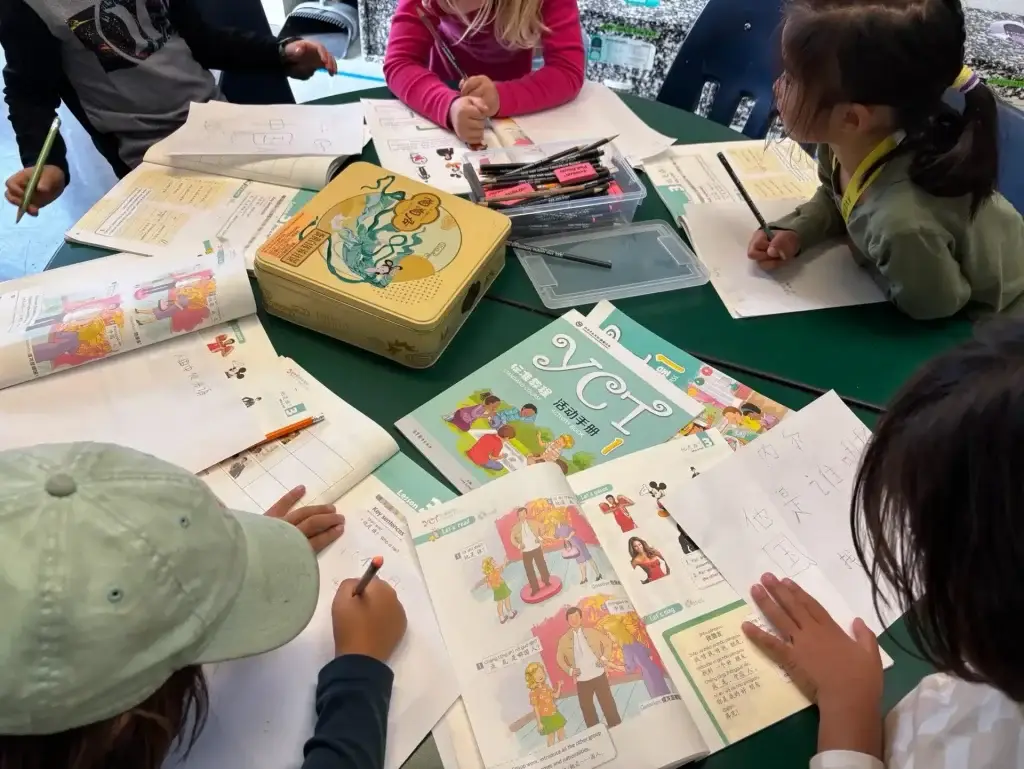
Middle and high school (ages 11 to 18): real communication and school goals
Teens do best with goals they choose and progress they can see. Discussion, opinions and comparisons, travel role-plays, listening practice for tones and speed, and reading short articles. Many teens also want help with a school course or an exam such as the YCT or HSK.

Matching the program to your child’s age
Everyday Mandarin teaches children across San Francisco and Daly City, and every program is taught by native-speaking teachers with students grouped by level.
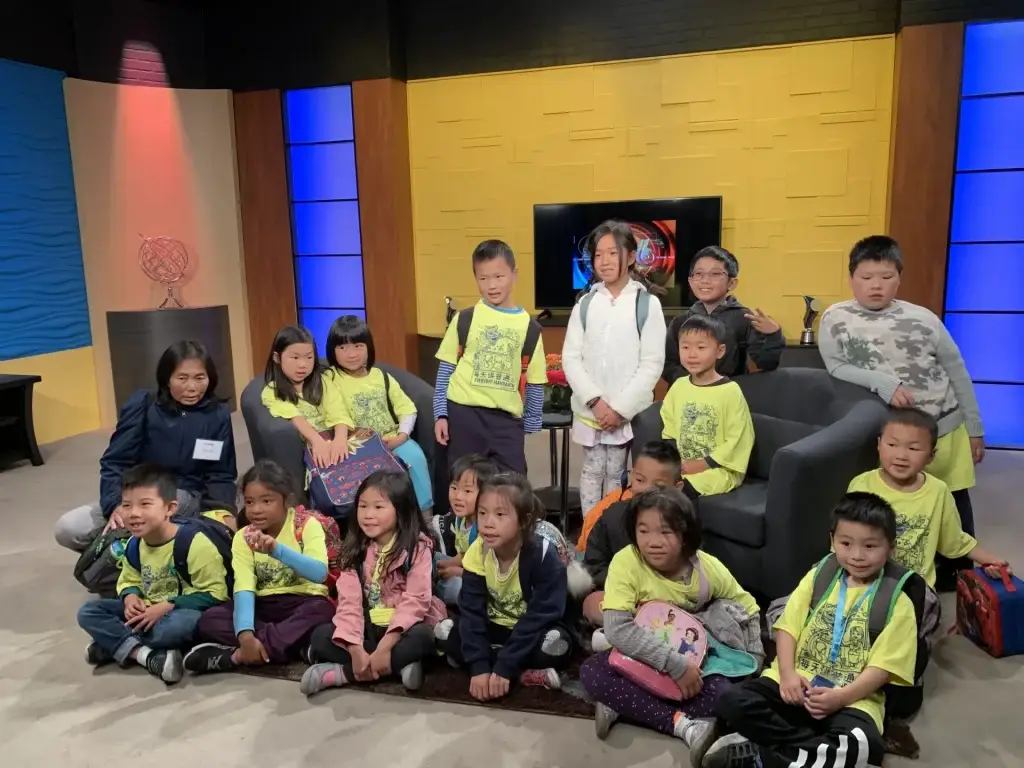
- After-school programs (TK–5th grade). Mandarin up to five days a week at six SF and Daly City school sites, with songs, games, conversation, homework time and enrichment. Frequent, live practice is exactly what the research favors.
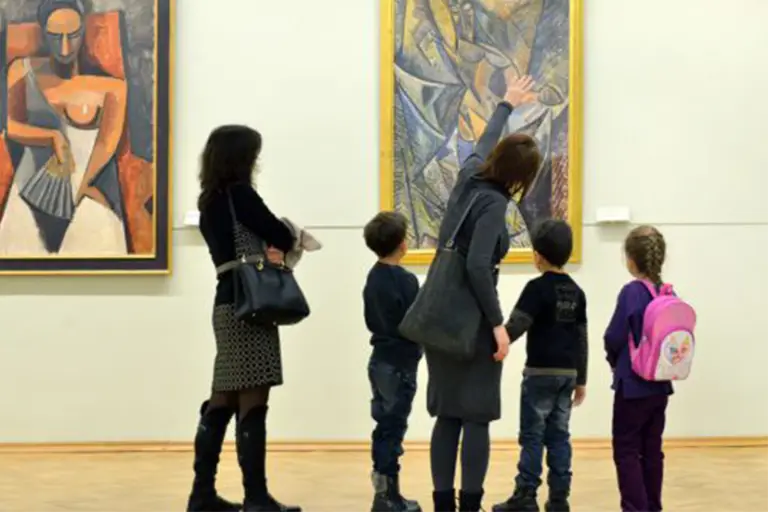
- Mandarin GO! weekend classes (ages 5–12). Students learn the Mandarin they need for a real place, like Chinatown, a museum or Golden Gate Park, and then use it there. Groups of no more than eight, in four-week themed series. The first session is free for new families.
- Private lessons (all ages, including teens). One-on-one, in person or online, for catching up, getting ahead, tone correction, heritage speakers or exam prep. Online lessons work best for children old enough to focus on a screen, or as an add-on to an in-person program.
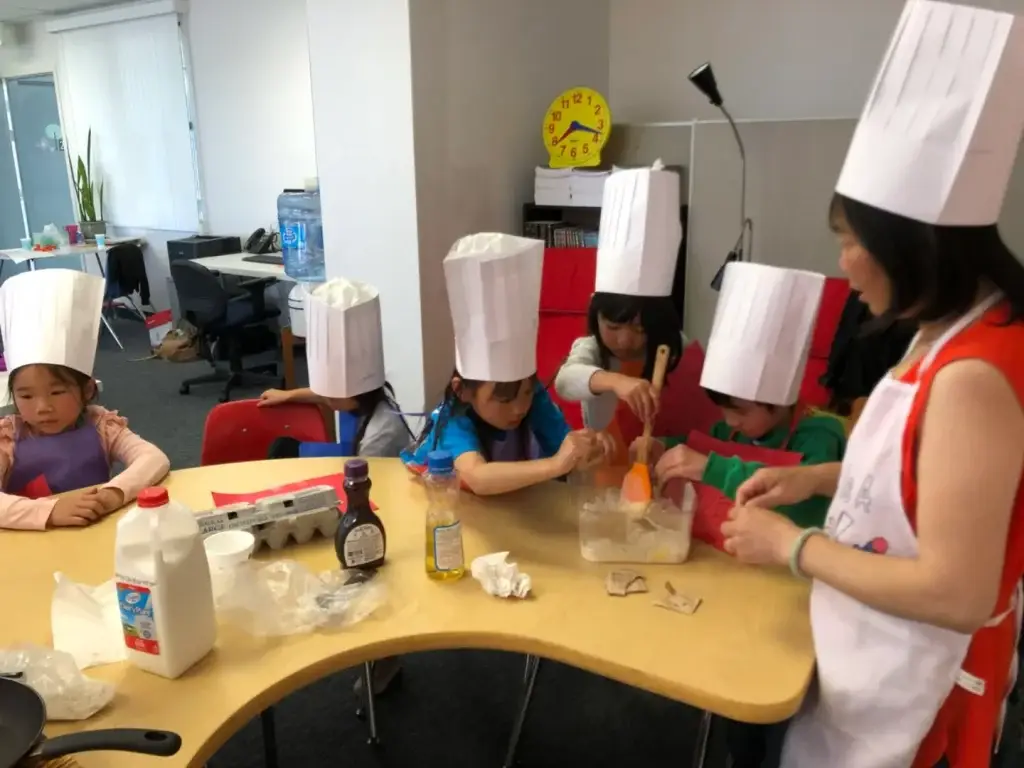
- Summer camp (grades 1–7). Daily Mandarin classes, themed activities and a weekly field trip, which keeps skills from fading over the break.
See current rates on our pricing page. Families with a child already enrolled save 20% on private lessons and Mandarin GO! with the 家人价 Family Price.
Placement, safety and policies
Placement is low pressure. A teacher does a short, friendly check of your child’s listening and speaking to find a group where they can understand, speak and grow. True beginners, returning learners and heritage speakers all have a place.
Our teachers are background-checked and trained in classroom management, child safety and mandated reporting. Weekend classes out in the city have a safety plan for every location and headcounts every 15 minutes. For refunds and cancellations, see our terms and policies.
A simple plan for starting this winter or spring
- This week: choose a format. After-school for frequent practice, Mandarin GO! for weekends, private lessons for flexible one-on-one support, or a mix.
- Next 1–2 weeks: tell us your child’s age and level. We’ll recommend a group and check for openings. Spots at each school are limited, so ask early.
- Before the first class: plan 5 to 10 minutes of Mandarin at home each day: a greeting, a song or a quick listening game.
- Around Lunar New Year and the Lantern Festival (late January to early March, depending on the year): lean into festival activities at home and in class. Kids remember words they use for something real.
- Every few weeks: ask your child to show you something new they can say. Visible progress keeps motivation high.
How to keep motivation high
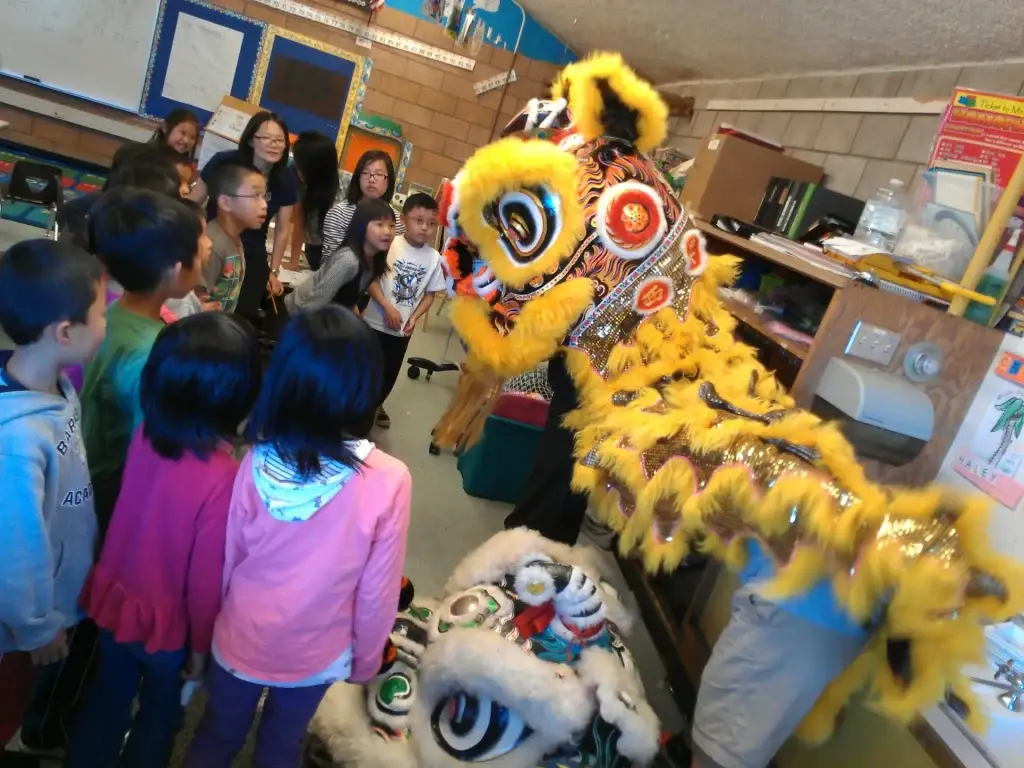
Festivals turn language into experience: New Year greetings, red envelopes, lantern-making and tangyuan (sweet rice balls) give kids a reason to use what they learn. Repetition feels like fun when the same words show up in songs, skits, games and crafts.
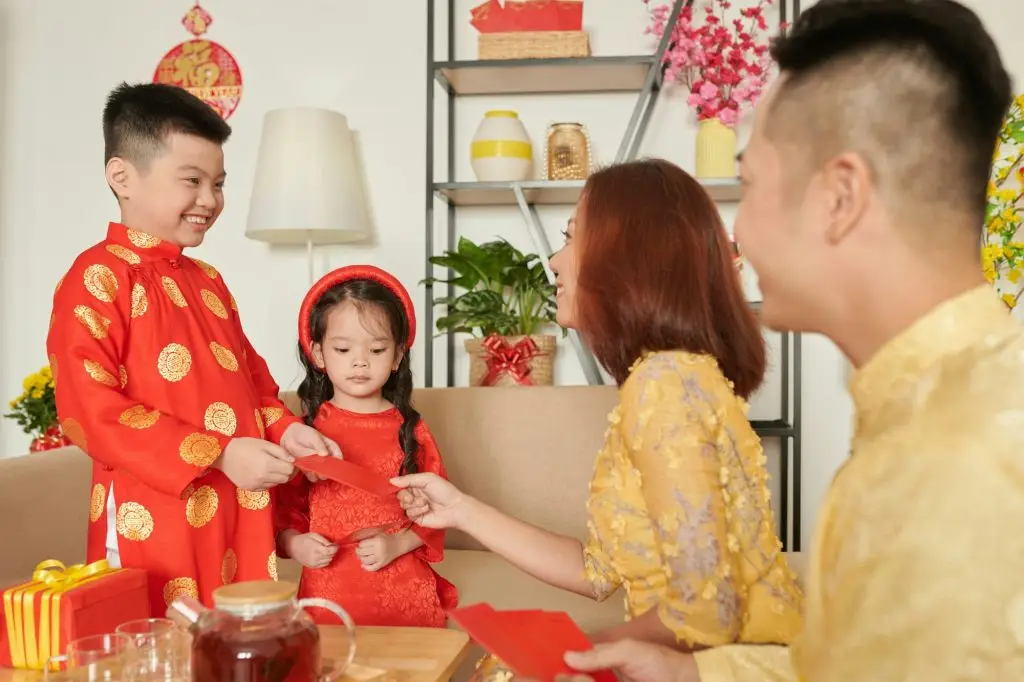
At home: keep it daily and light. Put labels on a few household items, say a greeting at the door, play a short listening game, and celebrate effort over accuracy. You don’t need to speak Mandarin yourself. Our blog for parents has more ideas to try together.
Frequently asked questions
What is the best age to start learning Mandarin?
The earliest age at which your child can practice regularly with live teachers. Young children pick up tones more easily, but an early start helps only with frequent exposure, and older beginners learn quickly. Any age from preschool through high school is a good time to start.
Is it good for kids to learn Mandarin?
Yes. Mandarin has more native speakers than any other language. Learning it builds listening skills, memory and cultural understanding, and gives children a language they can use for travel, school and future careers.
Is my child too old to start Mandarin?
No. Research suggests grammar-learning ability stays strong into the late teens, and older children often learn faster than younger ones at first. Teens who start in middle or high school can still become confident speakers.
Can kids learn Mandarin from apps or videos?
Apps and videos are useful for review, but they are not enough on their own, especially for young children. In the University of Washington study, babies learned Mandarin sounds from live speakers but not from the same lessons on video. Use apps alongside live classes, not instead of them.
How can I teach my child Mandarin if I don’t speak it?
Pair live classes with a few minutes of practice at home each day: songs, labels, greetings and listening games. Many of our students come from families who don’t speak Mandarin. Steady contact with native-speaking teachers matters most.
How many hours a week does my child need?
Several shorter sessions a week work better than one long class. Studies of school language programs found that a few short lessons a week isn’t enough for an early start to pay off, which is why our after-school programs offer Mandarin up to five days a week.
Next steps
If your child is ready to start this winter or spring, tell us their age and Mandarin level and a teacher will recommend the best fit. Still comparing options? Read our guide to every kind of Mandarin class for kids in San Francisco and the 10 questions to ask an after-school program.
Sources
- Kuhl, P. K., Tsao, F.-M., & Liu, H.-M. (2003). Foreign-language experience in infancy: Effects of short-term exposure and social interaction on phonetic learning. PNAS, 100(15). PubMed
- Hartshorne, J. K., Tenenbaum, J. B., & Pinker, S. (2018). A critical period for second language acquisition: Evidence from 2/3 million English speakers. Cognition, 177. MIT
- Muñoz, C. Age and the rate of foreign language learning: findings of the Barcelona Age Factor project. GALA paper (PDF)